


Choosing between winter tires vs. all-season is the first crucial decision when autumn in New England signals the countdown toward ice- and snow-covered roads in Vermont.
When the temperature drops drastically, your vehicle’s performance on the road doesn’t depend on luck—it depends on the preparation with which you face the cold season.
That’s why the same question comes up every year: Are the tires that came with your car enough, or has the time come to invest in a set specialized for snow?
In this comparison by Brattleboro CDJR, we’ll evaluate compound science, regional geography, and the technical factors that guarantee maximum safety for you and your family.
Keep reading!
When comparing winter tires vs. all-season, it’s a very common mistake to assume that the All-Season designation will respond the same in summer heat as it does during a New England snowfall.
However, the reality is that each category responds to a completely different engineering architecture, designed for highly specific temperature ranges and road conditions.
To make an informed decision, it’s necessary to dive into the following categories:
The definitive answer to whether you should opt for winter tires vs. all-season depends directly on your location, your driving routine, and the level of exposure your day-to-day demands in Vermont.
To determine if snow tires are an indispensable requirement for your vehicle, carefully analyze the following factors:
The term “All-Season” was designed in the 1970s for average U.S. weather—not for extreme northeastern winters.
Because of this, for most residents facing the rigors of local weather, the technical answer is a resounding no.
Although All-Seasons get the job done in light snow on flat asphalt, their traction and braking limitations become clear in demanding conditions when evaluating winter tires vs. all-season:

There is a widespread myth in New England that leads many truck and SUV owners to neglect the type of tires they mount on their vehicles.
Assuming that having all-wheel drive (AWD) or 4×4 eliminates the need to install snow tires is a mistake that seriously compromises road safety.
When evaluating winter tires vs. all-season, it’s crucial to understand how your car’s drive system interacts with tire physics:
It is best to install them before temperatures consistently stay below 45 °F (7 °C), even if it hasn’t started snowing yet.
At that temperature, the rubber on All-Season tires begins to harden and loses part of its traction capability.
It is not recommended. Winter tires are engineered for low temperatures and wear down faster when used during spring and summer.
Additionally, their performance decreases on hot pavement, so it is best to swap them out once the winter season ends.
All-Weather tires offer a balance between year-round performance and the ability to handle moderate snow.
They feature the 3PMSF certification, whereas All-Season tires are intended for milder climates and offer limited performance when temperatures drop below the recommended threshold.
Yes. AWD or 4WD improves the ability to accelerate on slippery surfaces, but it does not reduce braking distance or improve cornering grip.
Winter tires remain essential to achieving maximum safety in snow and ice conditions.
You should check tread depth, rubber condition, and tire age.
If they show excessive wear, cracking, or have lost flexibility due to age, it is advisable to replace them before the snow season.
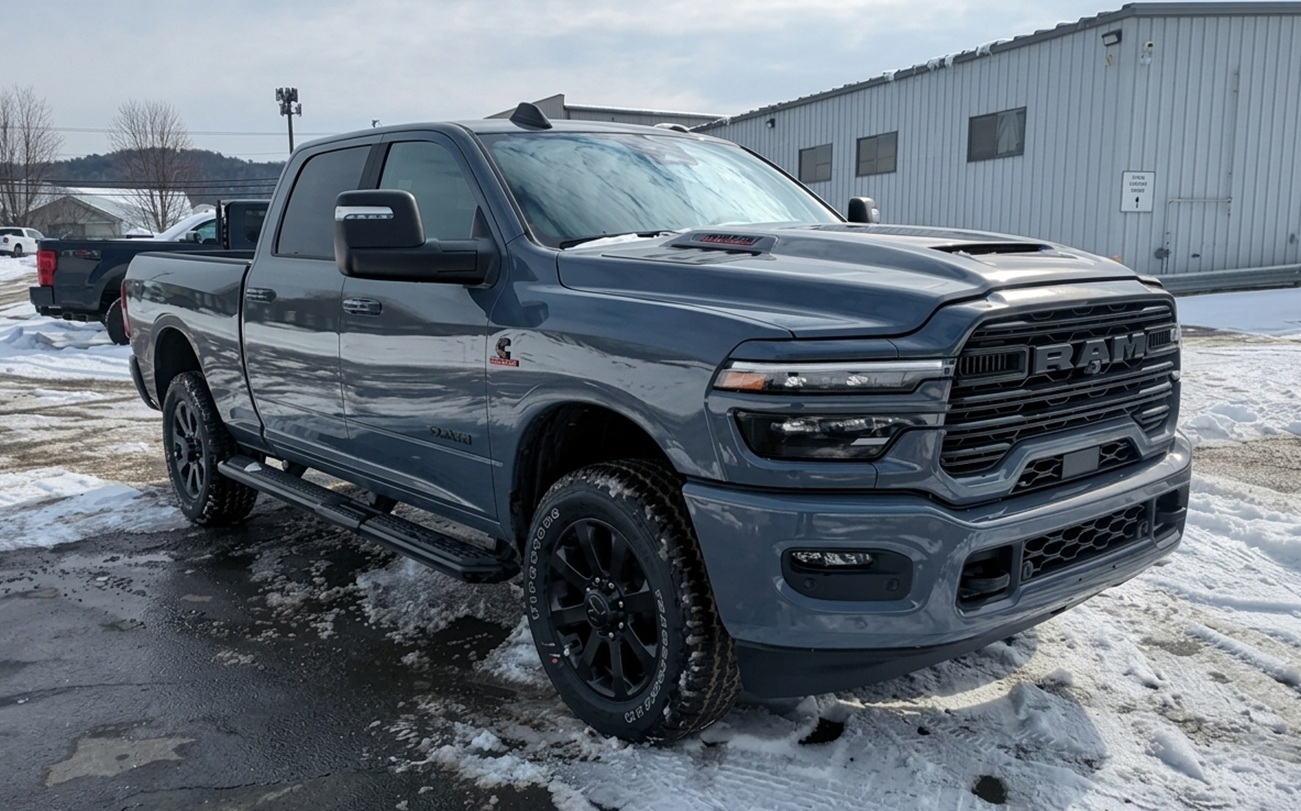
When the time comes to decide between winter tires vs. all-season, ensuring precision installation is just as important as choosing the right tire.
Professional mounting helps your vehicle’s safety systems perform as designed and gives you better performance when Vermont roads are covered in snow or ice.
At Brattleboro CDJR, our team inspects every detail so your vehicle is ready to face the most demanding New England winter conditions. During service, we perform:
Don’t wait for the first storm to arrive to prepare your vehicle!
Preventive maintenance can mean the difference between a safe trip and a risky situation when weather conditions suddenly change.
Schedule your appointment today and let our technicians help you select and install the ideal tires for your vehicle.
While great effort is made to ensure the accuracy of the information on this site, errors can occur. Please verify all pricing and installed equipment information with a customer service representative. This is easily done by calling us or visiting us at the dealership.
Customer may not qualify for ALL Rebates shown. Some rebates are stackable and others can and cannot be combined. See Dealer For Complete Details.
We improve our products and advertising by using Microsoft Clarity to see how you use our website. By using our site, you agree that we and Microsoft can collect and use this data. Our privacy statement has more details.
Save your favorite vehicles for later viewing on your desktop or mobile devices.
Keep track of all the vehicles you've viewed for a better car shopping experience.
Narrow your search by comparing your favorite vehicles.