



Summer in New England is spectacular, but truly short. That is why, as soon as the sun warms up the Vermont landscapes, there is no time to waste.
It is the perfect season to hitch up the camper and head out toward the Green Mountains, or tow the boat for a cruise on Lake Champlain.
However, for those plans to go perfectly, there is one technical factor that dictates the success of your trip: having one of the best tow vehicles.
If you have ever felt your current SUV lose power when climbing a steep incline, or if you worry about damaging your car’s transmission when pulling a travel trailer, you are in the right place.
In this comprehensive guide from Brattleboro CDJR, we are going to connect your summer hobbies with the exact automotive engineering you need to enjoy the road with complete peace of mind.
Get ready to take back control of your summer getaways!
Before you hook up your trailer, you should know that the “maximum capacity” in the manual isn’t everything.
Engine effort is only one part of the equation; your vehicle’s suspension, chassis, and brakes have strict limits to ensure your safety on the road.
Because of this, knowing these terms will help you protect your investment and make a smart choice among the best tow vehicles.
To avoid fines or costly mechanical damage on Vermont roads, Brattleboro CDJR invites you to master these key concepts:
Towing capacity is the force your vehicle can pull, while payload is the maximum weight it can support directly over its own axles. This includes:
The GVWR is the absolute weight limit that your vehicle can register on a scale in total (its own empty weight plus your entire payload).
On the other hand, tongue weight is the vertical force that the trailer coupling exerts downward onto the hitch ball. You must make sure that:
There is no such thing as a one-size-fits-all tow vehicle. The perfect configuration of powertrain, chassis, and axle ratio depends entirely on what you intend to transport.
To make your decision easier during the summer in Vermont, we have structured our recommendations based on the architecture of your cargo.
This means that what you are pulling today determines the engineering you need tomorrow to ensure you drive one of the best tow vehicles in the segment.
For loads up to 3,500 or 6,000 pounds, you don’t need a massive truck. Here, we are looking for an agile daily driver with a rigid chassis and modern electronic assists:
For loads between 6,000 and 11,000 pounds (dual-axle campers or large fishing boats), the weight starts to rival that of the vehicle itself. Here, wheelbase and low-end torque are everything:
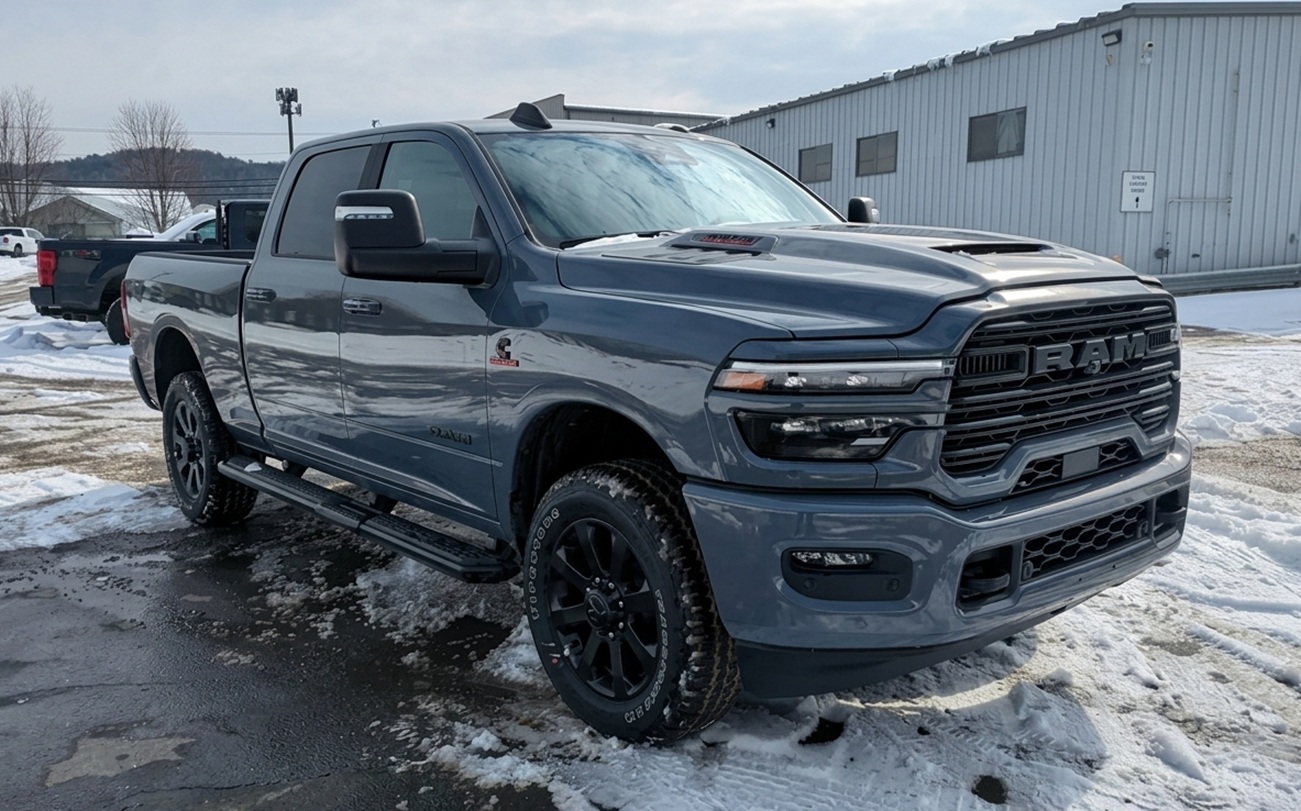
For fifth wheels, multi-axle horse trailers, or heavy machinery, there is no room for half measures. Here, you require commercial-grade transmissions and ultra-rigid chassis:
Towing thousands of pounds under the July sun in the Northeast presents physical and mechanical challenges that you should not ignore.
Summer heat subjects the engine and brakes to extreme thermal stress, while the region’s inclines demand maximum concentration.
To make your vacation completely safe, put these recommendations into practice with the best tow vehicles:
The best tow vehicle depends on the type of cargo you want to transport.
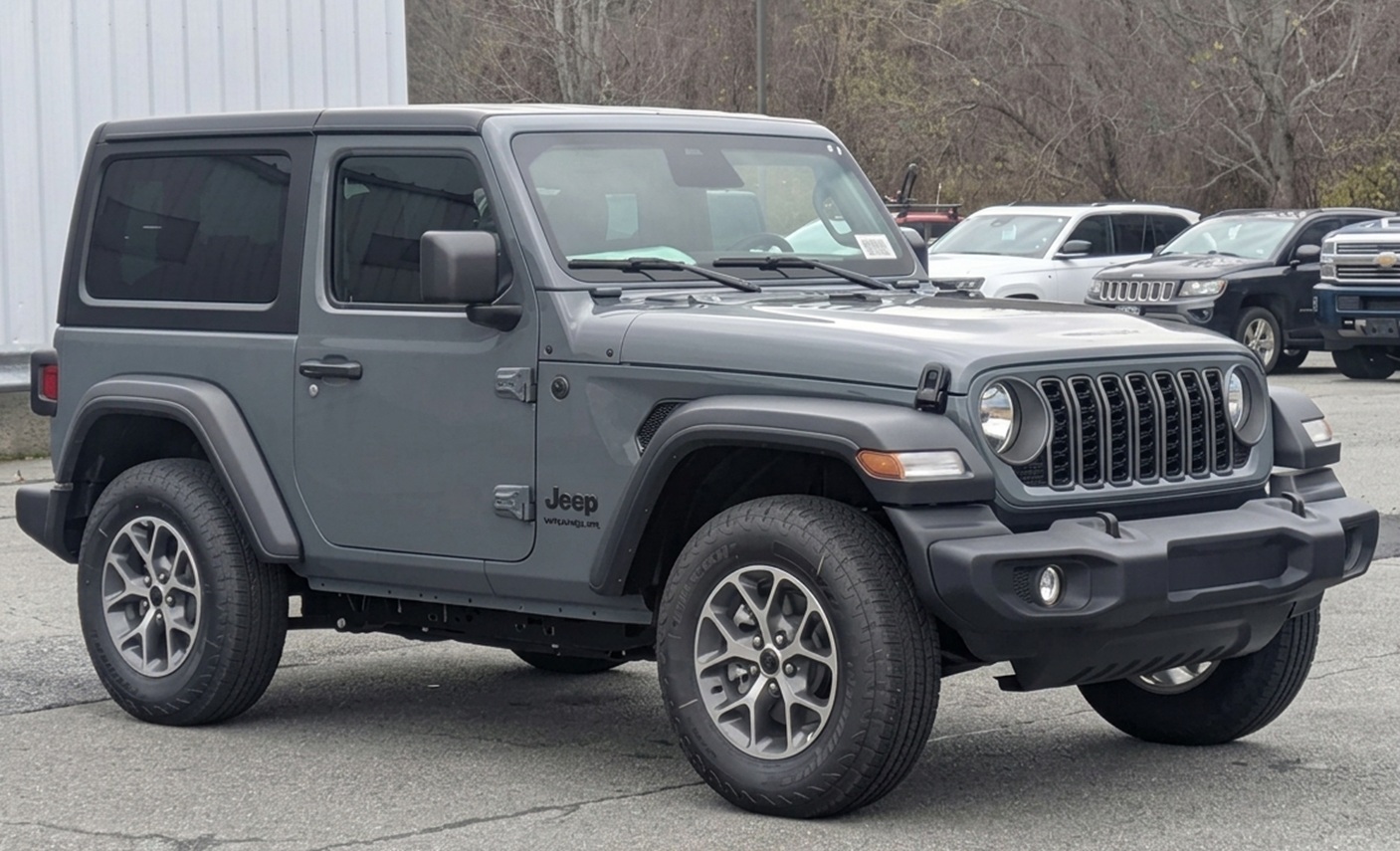
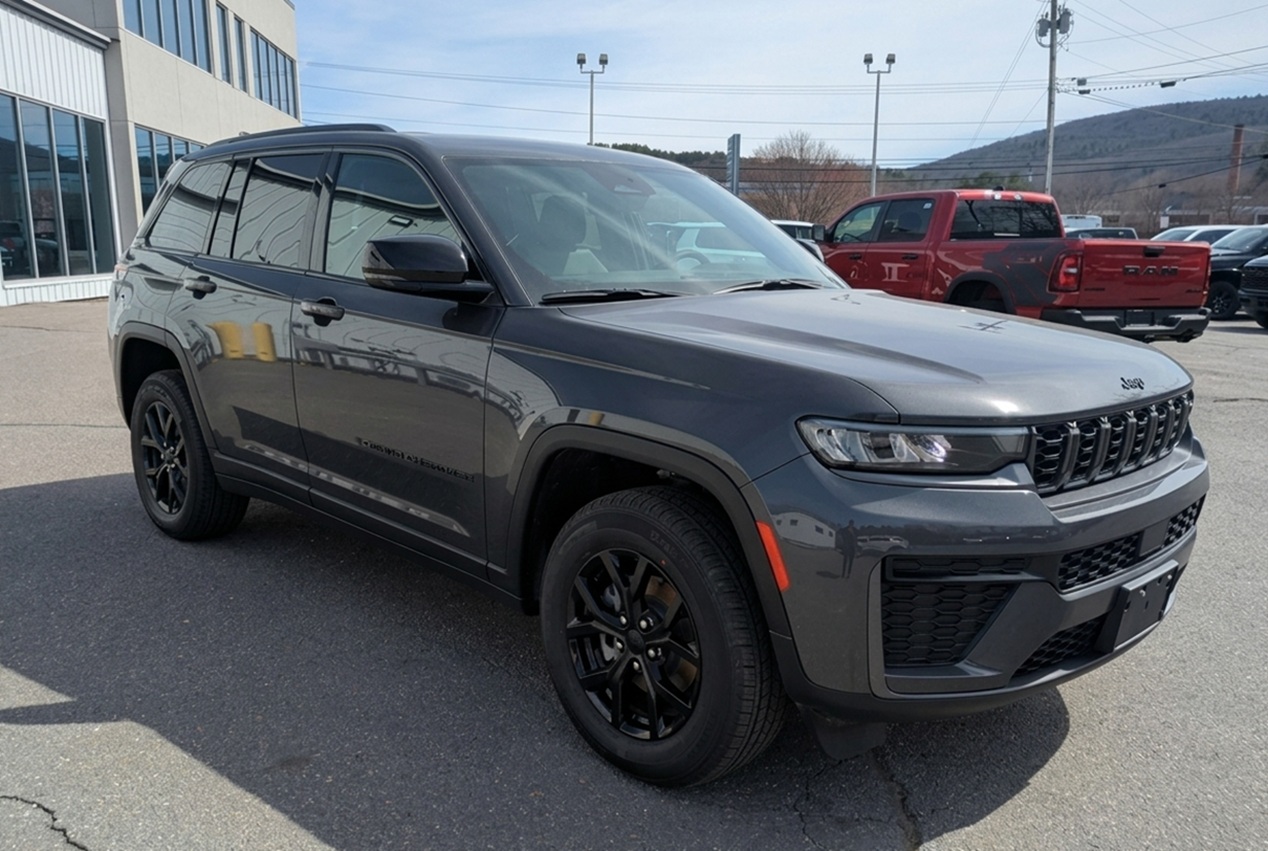
For small campers, jet skis, or ATVs, a Jeep Wrangler or a Jeep Grand Cherokee can offer the ideal balance between capacity and versatility.
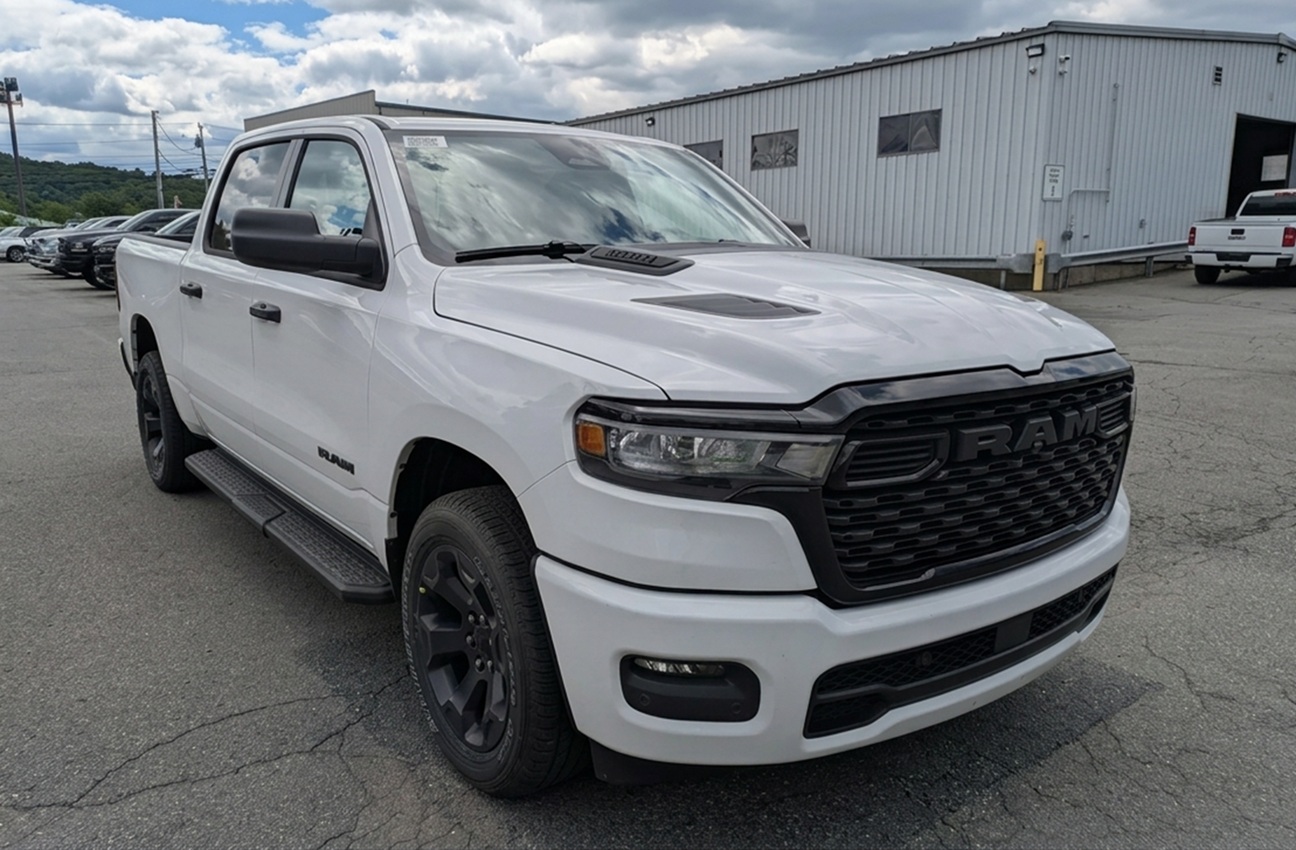
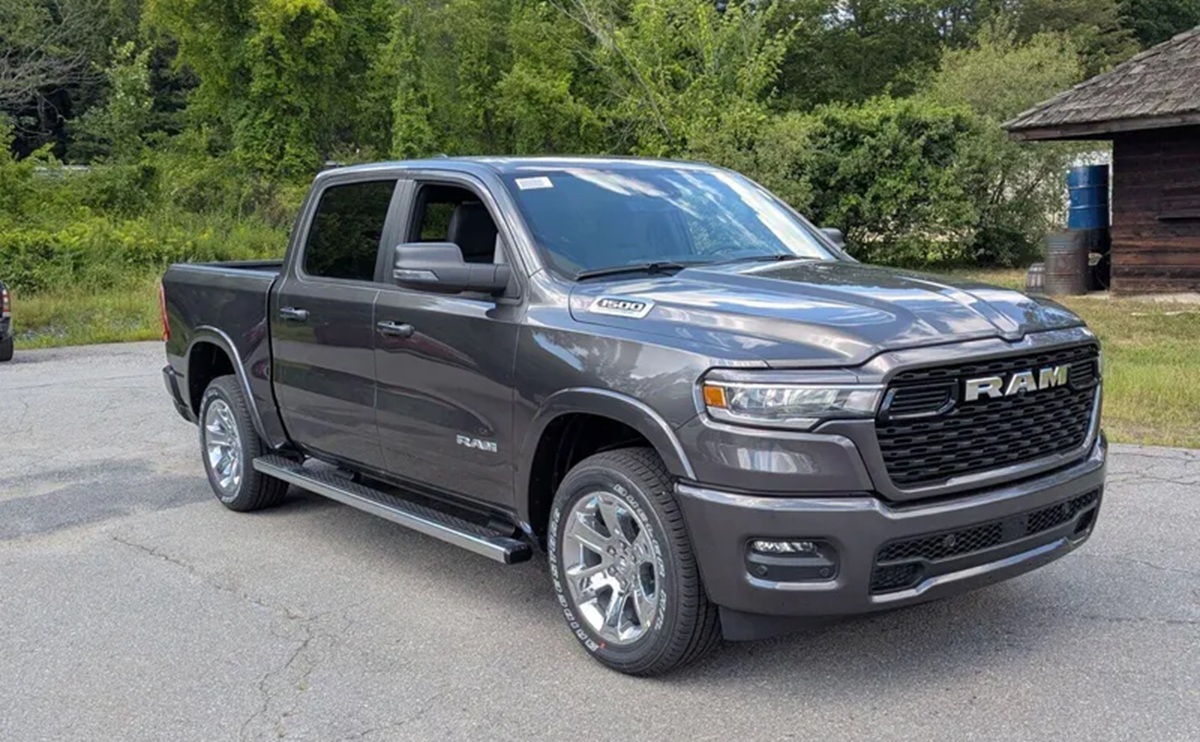
For large boats or medium campers, a RAM 1500 offers greater pulling power, while Heavy-Duty trucks like the RAM 2500 and RAM 3500 are engineered for much more demanding loads.
Safe towing capacity does not depend solely on the maximum number stated by the manufacturer.
You must also consider payload, gross vehicle weight rating (GVWR), tongue weight, suspension, brakes, and load distribution.
Exceeding any of these limits can compromise stability, control, and safety during your trip.
Towing capacity indicates how much weight the vehicle can pull via the hitch.
Payload refers to the additional weight the vehicle can carry over its own axles, including passengers, cargo, tools, and the portion of the trailer’s weight that rests on the tongue.
Both values must be kept within recommended limits.
After analyzing weights, capacities, and loading needs, it becomes clear that choosing from the best tow vehicles isn’t about finding the highest number of pounds on a spec sheet.
It is about finding the perfect combination of power, stability, technology, and safety for your actual adventures.
At Brattleboro CDJR, we understand that every driver has a different goal: some want to explore backroads with a family camper, while others need the brute strength required for a heavy-duty work trailer.
That is why our team helps you evaluate key factors like the actual weight of your load, frequency of use, the routes you will travel, and the level of capacity you truly need.
This way, you can choose a vehicle equipped to handle steep inclines, long distances, and the demands of summer in Vermont with confidence.
To top it off, our selection of Jeep and RAM trucks and SUVs is designed for those who seek performance without sacrificing comfort, technology, or peace of mind behind the wheel.
Don’t wait until you are standing in front of your trailer wondering if your vehicle is truly ready.
Visit Brattleboro CDJR and discover which model, engine, and towing package best fit your summer plans!
Tell us what you want to tow, and we will find the power you need to take it further.
Schedule your test drive today and experience the confidence of driving a vehicle prepared for Vermont roads.
While great effort is made to ensure the accuracy of the information on this site, errors can occur. Please verify all pricing and installed equipment information with a customer service representative. This is easily done by calling us or visiting us at the dealership.
Customer may not qualify for ALL Rebates shown. Some rebates are stackable and others can and cannot be combined. See Dealer For Complete Details.
We improve our products and advertising by using Microsoft Clarity to see how you use our website. By using our site, you agree that we and Microsoft can collect and use this data. Our privacy statement has more details.
Save your favorite vehicles for later viewing on your desktop or mobile devices.
Keep track of all the vehicles you've viewed for a better car shopping experience.
Narrow your search by comparing your favorite vehicles.